How to Automate Lead Generation End-to-End with AI
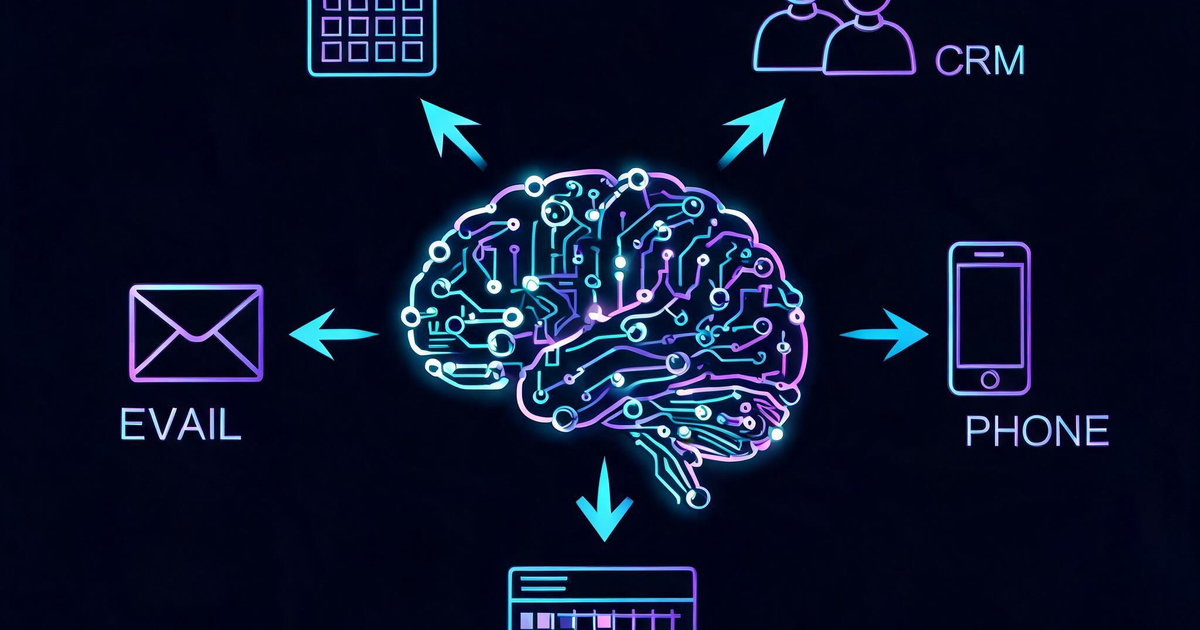
Lead generation is the single most automatable function in most businesses — and the one where speed matters most. Companies that respond to a new lead within five minutes are vastly more likely to convert than those that take an hour. Yet the average sales rep spends most of the day on tasks a machine does better. Here's how to build an AI lead generation pipeline that runs the whole top of funnel for you.
The Manual Lead Gen Problem
A typical SDR spends six or more hours a day on prospecting, researching companies, copying data into a CRM, writing near-identical emails, and chasing follow-ups. None of that requires human judgment — but it consumes the hours that should go into actual conversations. And because it's manual, it's inconsistent: leads slip through, follow-ups get forgotten, and your speed-to-lead quietly kills your conversion rate.
The 5-Stage Automated Lead Gen Pipeline
A complete pipeline has five stages, each of which can run without a human:
- Prospecting — pull a list of accounts and contacts that match your ideal-customer profile.
- Enrichment — fill in missing contact data, company details, and signals from sources like LinkedIn.
- Scoring — an AI step ranks each lead by fit and intent so reps focus only on the best.
- Outreach — personalized multi-step email (and DM) sequences go out automatically.
- Follow-up & routing — non-responders get chased on schedule, and hot leads are routed straight to a calendar.
Tools for Each Stage (2026 Stack)
| Stage | Tools |
|---|---|
| Prospecting | Apollo.io, LinkedIn Sales Navigator, Clay |
| Enrichment | Clay, Clearbit, Hunter.io |
| Scoring | Custom n8n + OpenAI workflow |
| Outreach | Instantly, Smartlead, Lemlist |
| Follow-up & routing | n8n + Cal.com + HubSpot |
The glue between all of these is usually n8n — and if you're choosing a platform, our n8n vs Make vs Zapier guide covers the trade-offs.
Want a lead pipeline like this built for you? Start with the free audit — it identifies whether lead gen is your #1 opportunity and estimates the ROI.
Get My Free Audit →How to Build This Yourself (or Not)
You have two paths. DIY means 40–80 hours of setup across five tools, plus ongoing maintenance every time an API or template changes — workable if you have a technical person who owns it. An agency build compresses that into 1–3 weeks with ongoing support included, so the system keeps working as tools update. Either way, the architecture above is the same; the only question is who maintains it. See our lead gen service for how we approach it.
What Results to Expect
- 3–5× more outreach volume at the same headcount.
- 5–15% reply rates on well-personalized sequences.
- 4–6 hours/day saved per SDR, redeployed to live selling.
Those hours add up fast — the kind of return we quantify in the ROI of workflow automation.
The One Thing Most Businesses Get Wrong
Automation amplifies whatever you feed it. Point a pipeline at a weak, generic message and you've built a machine for sending spam at scale — which torches your domain reputation and your brand. Get the targeting and the message right first, prove it converts manually, and then automate the volume. The sequence matters: message, proof, scale — in that order.
Frequently Asked Questions
Can lead generation really be fully automated?
The prospecting, enrichment, scoring, outreach, and follow-up stages can run automatically. Humans stay in the loop for live conversations and closing — which is where they add the most value anyway.
Won't automated outreach feel like spam?
It will if the message is bad. The automation scales whatever message you give it, so the work is getting the message and targeting right first, then automating the volume.
What results should I expect?
Teams commonly see 3–5× more outreach volume at the same headcount, 5–15% reply rates on well-personalized sequences, and 4–6 hours/day saved per SDR.